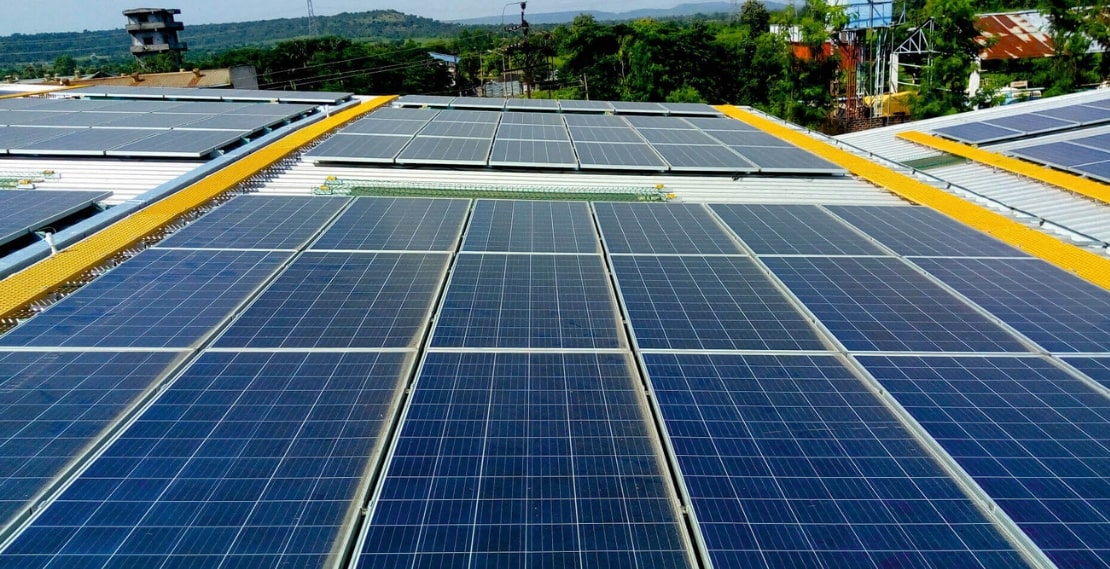

As energy prices continue to rise and sustainability becomes a core business priority, more companies are turning to solar power to cut costs and reduce their carbon footprint. But before making the switch, one of the first questions business owners ask is: How much does a commercial solar installation cost?
Understanding the pricing, influencing factors, long-term returns, and available incentives can help you make an informed decision that benefits your business for years to come.
What Is the Cost of Commercial Solar Installation?
On average, commercial solar systems cost between ₹40 to ₹65 per watt in India, depending on system size, technology, and installation requirements.
This means a medium-sized business installing a 100 kW solar system may spend anywhere from ₹40 lakh to ₹65 lakh. Larger installations such as 250 kW, 500 kW, or 1 MW systems often come at a lower per-watt price due to economies of scale.
Although the initial investment may seem high, the long-term savings and return on investment (ROI) make solar one of the most financially rewarding energy solutions for commercial establishments.
Factors That Influence Commercial Solar Installation Cost
Commercial solar pricing varies widely. Here are the key factors that determine the total cost:
1. System Size
Larger systems have a lower per-watt cost because fixed expenses like design and labor become more economical at scale.
-
Small commercial systems: 20 kW – 50 kW
-
Medium: 50 kW – 250 kW
-
Large: 250 kW – 1 MW and above
2. Type of Solar Panels
The choice of panel affects efficiency and cost.
-
Monocrystalline panels: High efficiency, higher cost
-
Polycrystalline panels: Lower cost, slightly lower efficiency
-
Bifacial panels: Generate power from both sides, premium pricing
3. Inverter Technology
Options include:
-
String inverters – budget-friendly
-
Microinverters – higher cost, better performance in shaded areas
-
Central inverters – common in large installations
4. Roof Structure & Mounting
Commercial solar can be installed on:
-
RCC roofs
-
Metal sheds
-
Open ground
-
Carports
The mounting structure required for each type influences installation expense.
5. Battery Storage (Optional)
Most commercial systems are grid-tied and don’t require batteries.
However, businesses needing backup power may choose hybrid systems with lithium-ion batteries—significantly increasing the total cost.
6. Location & Logistics
Transportation, site elevation, local labor rates, and state policies all affect the final pricing.
Breakdown of Commercial Solar Installation Cost
A typical commercial solar setup includes:
-
Solar panels: 50–60% of total cost
-
Inverters: 10–15%
-
Mounting & structures: 10%
-
Cables, connectors & protection devices: 5–10%
-
Installation & engineering: 10–15%
This breakdown helps businesses understand where their investment goes and compare quotations accurately.
Government Subsidies & Tax Benefits
In India, subsidies mainly apply to residential rooftop systems.
However, commercial solar installations still enjoy several financial benefits:
1. Accelerated Depreciation (AD)
Businesses can claim up to 40% depreciation in the first year, reducing taxable income.
2. GST Input Credit
Businesses can claim GST input credit on solar components.
3. Net Metering
Allows companies to export excess power to the grid, further reducing electricity bills.
These incentives significantly improve ROI and shorten payback periods.
Return on Investment (ROI) and Payback Period
A commercial solar installation typically pays for itself within 3 to 5 years, depending on:
-
Local electricity tariff
-
System size
-
Solar generation capacity
-
Financing method
After payback, companies enjoy 20+ years of nearly free electricity, drastically lowering operational costs.
For industries and commercial buildings with high daytime power consumption—like manufacturing units, warehouses, hotels, hospitals, schools, and offices—solar delivers exceptional long-term savings.
Why Commercial Solar Is Worth the Investment
✔ Huge Reduction in Electricity Bills
Solar can cut commercial power costs by 60–90%.
✔ Energy Independence for Businesses
Less reliance on grid fluctuations and diesel generators.
✔ Improved Brand Value
Going solar strengthens corporate sustainability commitments.
✔ Low Maintenance & Long Lifespan
Panels typically last 25 years with minimal upkeep.
✔ Protection Against Rising Tariffs
Lock your energy cost for decades.
Final Thoughts
While the commercial solar installation cost may seem like a substantial upfront investment, the long-term financial and environmental benefits far outweigh the initial expenses. With declining solar prices, improved panel efficiency, and government-backed financial benefits, this is the perfect time for businesses to transition to clean, renewable energy.
Whether you run a factory, hotel, office building, or retail space, solar power offers a reliable and cost-effective way to lower expenses and future-proof your operations.