Zero Carbon Solar Company and the Future of Renewable Energy in India

Renewable energy future in India

India is rapidly moving towards a cleaner and more sustainable energy future, driven by innovation and growing awareness of environmental impact. Zero Carbon Solar Company plays a vital role in this transformation by offering end-to-end renewable energy solutions that help individuals and businesses reduce their carbon footprint. These companies simplify the process of adopting solar energy by providing consultation, installation, financing and maintenance under one platform. As a result, users can easily transition to clean energy without having to deal with multiple vendors or technical complexities.

Wind Power Companies in Mumbai are Supporting Clean Energy

The presence of wind energy companies in Mumbai highlights the city’s growing commitment towards renewable energy. Due to its coastal geography, Mumbai has strong wind potential, making it suitable for wind power generation. These companies contribute to developing wind farms, offering hybrid energy systems and supporting industrial energy needs. Wind energy supplements solar energy by producing electricity even when sunlight is unavailable, ensuring a more stable and reliable energy supply.

Solar Open Access is Revolutionizing Energy Consumption

Solar open access is changing the way businesses consume power in India. This model allows companies to purchase solar power directly from energy producers without having to install solar panels on their premises. This significantly reduces electricity costs and eliminates the need for large upfront investments. By signing long-term agreements, businesses can secure stable energy prices while contributing to sustainability goals, making solar open access an attractive option for the commercial and industrial sector.

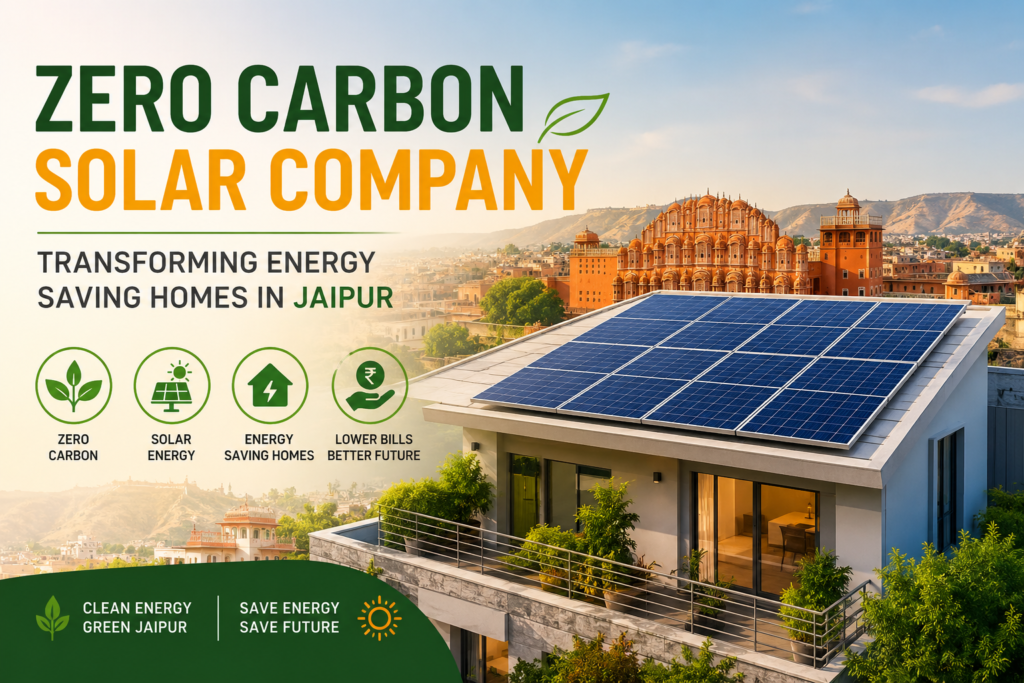
Energy Saving Homes in Jaipur Leading Sustainable Living

The concept of energy saving homes in Jaipur is gaining reputation as more owners search for green, tariff-efficient residential solutions. Jaipur’s hypersolar potential is a great region for rooftop solar panels. These homes are designed with power-efficient appliances, LED lighting fixtures, and smart power management systems that reduce general power consumption and in the long run such homes not only best reduce utility bills but additionally promote a greener lifestyle.

Windmills in West Bengal are Creating New Opportunities

Windmill in West Bengal represent a growing hobby in renewable power in eastern India. Although wind energy is emerging in this area, there could be great potential in coastal and enhanced areas. Combining wind power with solar electricity can ensure non-stop power technology even in seasonal versions. This technique strengthens the renewable electricity infrastructure and opens up new opportunities for sustainable boom.

Making Affordable Solar Energy Power Accessible

The upward push for affordable solar energy has made clean energy more accessible than ever. With reduced installation costs, advanced technology and government incentives, more families and corporations are getting into solar electricity. Now this change is not the easiest one to lower electricity prices but additionally promotes energy independence. Solar systems require minimal maintenance and feature long life, making them a reliable and reasonable choice.

Commercial Solar Installation Cost and Business Benefits

Understanding commercial solar installation cost is essential for companies planning to adopt renewable electricity. The price depends on factors including machine length, machine class I, and installation requirements. Despite the initial funding, solar structures pay back quickly, usually within a few years. Businesses can also explore bend financing options such as opex models, where they pay the easiest for generated capacity rather than invest prematurely; this makes solar power a realistic and economically feasible solution for commercial application.

Conclusion

India’s renewable energy landscape is evolving rapidly, supplying multiple avenues to adopt accessible energy. From the work of a zero carbon solar company to the development of wind energy businesses in Mumbai, the arena has witnessed significant growth. Open access to the sun, the upward push of energy saving houses in Jaipur and new trends like windmills in West Bengal are shaping a sustainable future. With reduced commercial solar installation costs and cheap solar power supply, the transition to green power is less difficult for all people these days and embracing those solutions will help create a cleaner, more electrically-green day tomorrow.

Powering a Greener Tomorrow with Zero Carbon Energy

A sustainable future in energy

In today’s rapidly evolving world, the push toward sustainability is no longer optional—it’s essential. Climate change, rising energy costs, and environmental concerns have driven individuals and businesses alike to seek smarter, cleaner alternatives. This is where Zero Carbon Energy steps in as a game-changing solution, offering a pathway to a greener and more sustainable future.

A Zero Carbon Company focuses on reducing or completely eliminating carbon emissions through innovative technologies and renewable energy systems. Among these, solar energy has emerged as one of the most reliable and accessible solutions. Whether you’re a homeowner, a business owner, or part of an industrial setup, embracing solar power is a major step toward achieving zero carbon goals.

What Does “Zero Carbon” Really Mean?

The term Zero Carbon refers to achieving a balance where no carbon dioxide emissions are released into the atmosphere. This can be accomplished by using renewable energy sources, improving energy efficiency, and offsetting any unavoidable emissions.

A Zero Carbon Energy model typically includes:

  • Solar power systems
  • Energy storage solutions
  • Smart energy management
  • Sustainable infrastructure

By adopting these solutions, individuals and organizations can significantly reduce their environmental impact while also benefiting from long-term cost savings.

The Rise of Zero Carbon Solar Companies

The demand for clean energy has led to the growth of specialized providers known as Zero Carbon Solar Company experts. These companies focus on designing, installing, and maintaining solar energy systems tailored to your needs.

A reliable solar company offers:

  • Customized solar panel installation
  • Energy audits and consultation
  • Maintenance and monitoring services
  • Grid-tied and off-grid solutions

If you’ve ever searched for Solar Services Near Me, you’ve likely noticed how many options are available today. However, choosing a company that aligns with zero carbon principles ensures that your investment contributes to both sustainability and efficiency.

Why Solar Energy is Key to Zero Carbon Goals

Solar energy is one of the most powerful tools in achieving zero carbon energy solutions. It harnesses the sun’s power—an abundant and renewable resource—to generate electricity without harmful emissions.

Key Benefits of Solar Energy:

  • Environmentally Friendly: Produces no greenhouse gases
  • Cost-Effective: Reduces electricity bills over time
  • Energy Independence: Less reliance on fossil fuels
  • Low Maintenance: Long-lasting systems with minimal upkeep

By partnering with a Zero Carbon Solar Company, you can ensure that your transition to solar is seamless and optimized for maximum efficiency.

How Zero Carbon Companies Are Changing the Energy Landscape

A Zero Carbon Company doesn’t just install solar panels—it provides comprehensive energy solutions that help clients move toward sustainability goals.

These companies typically offer:

  • End-to-end project management
  • Integration of renewable technologies
  • Energy efficiency upgrades
  • Long-term sustainability planning

Their mission goes beyond profit; they aim to create a positive environmental impact while helping clients achieve energy independence.

Choosing the Right Solar Services Near You

When searching for Solar Services Near Me, it’s important to consider several factors to ensure you’re making the right choice:

1. Experience and Expertise

Look for companies with a proven track record in delivering zero carbon energy solutions.

2. Customized Solutions

Every property is different. A good provider will tailor their services to your specific energy needs.

3. Quality of Equipment

High-quality solar panels and inverters ensure better performance and longevity.

4. Customer Support

Reliable after-sales service is crucial for maintenance and troubleshooting.

Why Choose Zero Carbon Energy Solutions?

Investing in zero carbon energy solutions is not just about saving money—it’s about securing a sustainable future. As energy demands continue to rise, traditional power sources are becoming less viable. Renewable energy, particularly solar, offers a scalable and sustainable alternative.

Benefits include:

  • Reduced carbon footprint
  • Increased property value
  • Government incentives and subsidies
  • Long-term financial savings

By making the switch today, you are contributing to a cleaner, healthier planet for future generations.

About Zero Carbon

If you’re ready to take the next step, platforms like Ask Zero Carbon provide access to expert guidance and comprehensive solar services. Whether you’re exploring options or ready to install, working with a trusted Zero Carbon Solar Company ensures you get the best results.

Conclusion

The transition to a sustainable future begins with informed choices. Embracing Zero Carbon Energy is not just a trend—it’s a necessity. From reducing environmental impact to lowering energy costs, the benefits are undeniable.

By choosing a reliable Zero Carbon Company and investing in zero carbon energy solutions, you can play an active role in combating climate change while enjoying long-term savings. Whether you’re searching for Solar Services Near Me or planning a large-scale energy transformation, now is the perfect time to make the switch.

Embracing a Greener Tomorrow with Zero Carbon Energy Solutions

Embracing a greener tomorrow

In today’s rapidly evolving world, sustainability is no longer optional – it is essential. Growing awareness of climate change has led individuals and businesses to rethink how they consume energy. This is where the concept of zero carbon becomes extremely relevant. By adopting clean energy alternatives, the Zero Carbon company helps reduce environmental impact while promoting long-term energy efficiency.


Understanding Zero Carbon Energy

Zero carbon means achieving net-zero carbon emissions by balancing the amount of carbon released with the amount of carbon removed or offset. This approach focuses on reducing dependence on fossil fuels and replacing them with renewable sources. Zero carbon energy focuses on clean, sustainable energy, such as solar power, which is abundant and environmentally friendly.


Importance of Zero Carbon Solar Companies

Zero carbon solar companies play an important role in helping people transition to renewable energy. These companies provide complete solar solutions including consultation, installation and maintenance. Solar energy is one of the most effective ways to reduce electricity costs while contributing to a cleaner planet.

Zero Carbon is dedicated to providing innovative energy solutions that support both residential and commercial users. With expert guidance and reliable services, switching to solar power has become simpler and more accessible than ever.


Benefits of Zero Carbon Energy Solutions

Choosing zero carbon energy solutions offers many benefits that go beyond environmental impact:

  • Reduction in carbon footprint: Greenhouse gas emissions are significantly reduced. 
  • Lower energy costs: Solar systems help reduce monthly electricity bills. 
  • Sustainable living: Encourages eco-friendly habits and sustainable energy use. 
  • Increase in property value: Homes and businesses with solar power plants often have higher market values.

Working with a trusted zero carbon company ensures that you receive efficient and customized solutions tailored to your energy needs.


Finding Reliable Solar Services Near Me

As more people are exploring renewable energy options, searches for “solar services near me” have become common. Local solar service providers offer the benefits of quick response times, superior customer support, and personalized solutions.

Whether you are planning to install rooftop panels or upgrade your current system, choosing a nearby expert ensures smooth execution and long-term maintenance support. This local approach makes the transition to zero carbon energy both convenient and practical.


Technology Driving the Zero Carbon Movement

Modern technology has accelerated the adoption of zero carbon solutions. Innovations such as advanced solar panels, energy storage systems and smart monitoring devices have made renewable energy more efficient and reliable.

These advancements allow users to track their energy consumption, optimize usage, and store excess energy for future use. As technology continues to advance, zero carbon energy is becoming more affordable and widely adopted around the world.


Why are Businesses Moving Towards Zero Carbon?

Businesses are increasingly recognizing the value of sustainability. Partnering with a zero carbon company not only reduces operating costs but also enhances brand reputation. Consumers today are more likely to support companies that prioritize environmental responsibility.

Additionally, many governments provide incentives, subsidies and tax benefits for adopting renewable energy solutions. This makes the transition to zero carbon beneficial both economically and environmentally.


Conclusion

Moving towards a sustainable future starts with making better energy choices. Adopting zero carbon energy solutions is a powerful step towards reducing environmental impact and ensuring long-term savings. Whether you’re looking for solar services near me or looking to partner with a zero carbon solar company, the transition to clean energy is more possible than ever.

With a trusted platform like Ask Zero Carbon Adopting a zero carbon lifestyle is simple and effective. By taking action today, you not only invest in your future but also contribute to building a cleaner, greener world for future generations.

Commercial Solar Installation Cost in India: What Businesses Really Pay and Save

commercial solar installation cost

If you run a factory, hospital, hotel, college, or even a big office, you already know this story. Every month the electricity bill lands and it’s… painful. Summer is worse. ACs, machines, servers, lifts – everything running full day. And tariffs in India are not exactly going down. This is usually when people start asking about Commercial Solar Installation Cost and whether solar actually makes sense for their business.

Honestly, the thing is, in 2026 solar is not some “future idea” anymore. It’s a very practical, money-saving decision. Most businesses today recover their solar investment in 2.5 to 5 years, and after that it’s mostly free power. So when someone asks about commercial solar installation cost, the better question is – how much are you losing every year by not installing?

So, what is the Commercial Solar Installation Cost in India?

For most commercial rooftops, the cost in 2026 is roughly ₹50,000 to ₹60,000 per kW depending on quality, structure, and site conditions. So:
50 kW system → around ₹25–30 lakh
100 kW system → around ₹50–60 lakh
250 kW system → around ₹1.25–1.5 crore

This may sound big, but wait. A 100 kW plant can easily save ₹1.2–1.5 lakh per month on electricity. A 250 kW system can save ₹3–4 lakh monthly. That’s where the real value is.

Plus, with net metering benefits, any extra power you generate goes back to the grid and adjusts in your bill. Add accelerated depreciation and tax benefits, and the effective cost comes down further. That’s why commercial solar installation cost for businesses India is now seen as an investment, not an expense.

Real examples (this is where it gets interesting)

One college in Kochi with a 250 kW rooftop is saving about ₹3.2 lakh every month after installing solar. A textile mill in Coimbatore is cutting around ₹7.5 lakh monthly with their rooftop plant. An IT office in Pune installed 80 kW and still saves close to ₹1.5 lakh per month. Bigger manufacturing units with 500–750 kW setups are saving ₹6–8 lakh monthly, or almost ₹8 million a year. These are not marketing numbers, these are actual running sites.

What if you don’t want to invest upfront?

This is where Zero Carbon really helps. They offer zero upfront solar through PPA/OPEX models. You don’t pay for the plant. You just buy solar power at a lower rate than grid. Simple. So no capex headache, no loan, no waiting. You start saving from month one.

Zero Carbon is a full rooftop solar EPC company working pan-India. They handle everything – design, approvals, installation, commissioning. Installations are planned to cause minimal disruption, often nights or weekends. You also get a real-time dashboard and app to track generation and savings. AMC maintenance is included, so you’re not chasing vendors. And if you’re in a rented building, yes, the system can be relocated. That’s a big relief for many businesses.

They use Tier-1 components and offer 25-year warranty, so you’re not worrying every monsoon season. Most clients see 18–25% ROI, which is better than many fixed deposits, honestly.

Is Commercial Solar Installation Cost worth it?

Look, electricity is a fixed cost you can’t avoid. But you can control it. With solar, you lock your power cost for 25 years. No more tariff shock. No more diesel genset dependency. Plus, your ESG score improves, which matters more now with banks and global clients.

If you’re even slightly thinking about solar, get a proper estimate. Don’t guess. Zero Carbon gives free site assessment and clear numbers. No sales drama.

Commercial Solar Panels Are Slashing Business Power Bills Across India


If you run a factory, hospital, college, hotel or even a big office, you already know this pain. Summer hits, ACs go full blast, machines don’t stop, and suddenly your electricity bill looks like a small loan statement. Add power cuts, diesel gensets, and tariff hikes… it’s honestly exhausting. This is exactly why more companies are switching to Commercial Solar Panels and wondering why they didn’t do it earlier.

The thing is, commercial rooftop solar has quietly become one of the smartest moves for businesses in India. Prices have dropped, policies are clearer, and payback is much faster than before. In 2026, most companies are recovering their investment in 2.5 to 5 years, and after that it’s almost free power for the next 20+ years. Not bad, right?

With solar for businesses India, you’re not just cutting bills. You’re also protecting yourself from future tariff hikes. Power from the grid is only going one way – up. Solar locks your cost. Plus, net metering benefits mean if you generate extra power on holidays or weekends, you can send it back to the grid and adjust it in your bill. Simple and very useful.

There’s also the ESG angle. Big clients, global partners, and even banks now care if you’re reducing carbon. Installing Commercial Solar Panels is an easy win there. And yes, tax benefits like accelerated depreciation still help reduce your overall tax burden. So you save on power and tax both. Win-win.

Now let’s talk real numbers, because that’s what business owners care about. One of Zero Carbon’s college projects in Kochi, around 250 kW, is saving nearly ₹3.2 lakh every month. A textile mill in Coimbatore is saving about ₹7.5 lakh monthly after shifting to rooftop solar. An IT office in Pune with just 80 kW capacity still cuts around ₹1.5 lakh per month. Bigger plants, around 750 kW, are saving close to ₹8 lakh monthly or ₹8 million a year. These are not fancy projections, these are running sites.

What makes Zero Carbon different is how they execute. They are a full rooftop solar EPC company working pan-India, so whether your site is in Gujarat, Tamil Nadu, Punjab or Assam, they handle it. If you don’t want to invest upfront, they also offer zero upfront solar PPA or OPEX models. Basically, you pay from your savings. No big capex headache.

Installations are done with minimal disruption. Nights, weekends, planned shutdowns – they work around your operations. They give you a real-time dashboard and app to track generation and savings, not some Excel sheet once a month. Maintenance is covered under AMC, so you’re not chasing vendors every few months. And if you’re in a rented building, structures can be relocated. That’s a big relief for many companies.

Zero Carbon also uses Tier-1 components and gives a 25-year performance warranty, so this is not some jugaad setup. Most clients see 18–25% ROI, which is better than many traditional investments. Honestly, for businesses paying crazy high bills, solar just makes sense now.

Look, if you’re tired of burning cash on electricity and still unsure about solar, just get a proper assessment. No pressure. Check out https://askzerocarbon.com/services/commercial-solar-solution
and ask for a free quote. Even if you don’t install immediately, you’ll at least know what you’re missing.

How to Choose the Best Residential Solar Panels for Your Home

best residential solar panels

With rising electricity costs and growing awareness of clean energy, more homeowners are turning to solar power. Installing solar panels is not just an eco-friendly decision—it’s also a smart long-term investment. However, choosing the best residential solar panels for your home can feel overwhelming with so many options available. From panel types to efficiency and installation factors, this guide will help you make the right choice with confidence.

solar system installation

1. Understand Your Home’s Energy Needs

Before selecting solar panels, start by evaluating your household’s electricity consumption. Review your past 6–12 months of electricity bills to understand your average usage in kilowatt-hours (kWh).

Key questions to ask:

  • How much power does your home consume daily or monthly?

  • Do you plan to add high-energy appliances in the future?

  • Are you aiming for partial or complete energy independence?

Knowing your energy needs helps determine the size of the solar system and plays a major role in choosing the best residential solar panels for your home.

2. Choose the Right Type of Solar Panels

Residential solar panels mainly come in three types:

Monocrystalline Solar Panels

These are the most efficient and durable panels available today. They perform well even in limited roof space and low-light conditions. Although slightly expensive, they are often considered the best residential solar panels for urban homes.

Polycrystalline Solar Panels

More affordable than monocrystalline panels, these are suitable for homes with ample roof space. They offer decent efficiency and are a popular choice for budget-conscious homeowners.

Thin-Film Solar Panels

Lightweight and flexible, thin-film panels are less efficient and generally used where aesthetics or special installations matter more than output.

3. Check Solar Panel Efficiency and Performance

Efficiency determines how much sunlight a panel can convert into electricity. Higher efficiency panels generate more power using less space, making them ideal for residential rooftops.

When comparing panels:

  • Look for efficiency ratings between 18% and 22%

  • Check temperature coefficient (lower is better for hot climates)

  • Review real-world performance data, not just lab numbers

High-efficiency panels may cost more upfront but deliver better long-term savings.

4. Evaluate Roof Space and Sunlight Availability

Your roof plays a critical role in solar performance. Consider:

  • Roof size and shape

  • Direction (south-facing roofs are ideal in India)

  • Shading from trees or nearby buildings

  • Roof material and structural strength

A professional site survey during solar system installation ensures optimal panel placement and maximum energy generation.

5. Focus on Quality, Warranty, and Certifications

Always choose panels from reputable manufacturers with strong warranties. Most high-quality solar panels come with:

  • 25-year performance warranty

  • 10–15 year product warranty

Check for certifications like IEC, MNRE approval, and BIS standards, which ensure safety and reliability.

6. Select a Reliable Solar Installation Partner

Even the best residential solar panels won’t perform well if the installation is poor. Choosing the right installer is just as important as selecting the panels.

A professional solar system installation provider will:

  • Conduct a proper site assessment

  • Design a customized system

  • Handle permits and net metering

  • Ensure safe wiring and mounting

  • Provide after-sales support and maintenance

Look for experienced installers with positive customer reviews and transparent pricing.

7. Consider Cost, Subsidies, and Long-Term Savings

The cost of residential solar depends on panel type, system size, inverter quality, and installation charges. While premium panels cost more initially, they often provide better returns over 20–25 years.

In India, government subsidies and net metering policies significantly reduce upfront costs and improve ROI. Over time, savings on electricity bills often outweigh the initial investment.

Conclusion

Choosing the right solar panels is about balancing efficiency, durability, cost, and expert installation. By understanding your energy needs, selecting high-quality panels, and partnering with a trusted solar system installation provider, you can confidently invest in the best residential solar panels for your home.

Solar energy is not just a trend—it’s a long-term solution for sustainable living and financial savings. Make an informed choice today and power your home with clean, renewable energy for decades to come.

Best Residential Solar Panels for Homes: Types, Costs & Benefits

best residential solar panels

In recent years, homeowners have been rapidly shifting toward clean and sustainable energy, and residential solar power has emerged as one of the most effective ways to reduce electricity bills, increase property value, and lower carbon footprints. With a variety of options available in the market, choosing the best residential solar panels for your home can seem overwhelming. This blog will simplify the process by breaking down the types, costs, and benefits of residential solar systems so you can make a smart investment.

best residential solar panels

Why Choose Residential Solar Power?

Before diving into specific solar panel options, it’s essential to understand why residential solar power is gaining popularity:

  • Reduced Electricity Bills – Solar panels convert sunlight into usable electricity, significantly lowering monthly utility costs.

  • Energy Independence – With your own solar system, you rely less on grid power, especially important in areas with frequent outages or rising electricity prices.

  • Environmental Impact – Solar energy is clean and renewable, helping reduce greenhouse gas emissions and dependence on fossil fuels.

  • Increased Home Value – Solar installations can increase property value because future homeowners inherit the benefits of lower energy costs.

Given these advantages, many homeowners are actively searching for the best residential solar panels to maximize these benefits.

Types of Residential Solar Panels:

Choosing the right type of solar panel affects performance, aesthetics, and cost. Here are the most common types used in homes:

1. Monocrystalline Solar Panels

Monocrystalline panels are widely considered the best residential solar panels due to their efficiency and performance.

  • Efficiency: 18–22%

  • Benefits: High efficiency in limited roof space; performs well in low light.

  • Drawbacks: Higher upfront cost.

These panels are ideal for homeowners who want maximum energy output and sleek aesthetics.

2. Polycrystalline Solar Panels

Polycrystalline panels are a cost-effective alternative to monocrystalline systems.

  • Efficiency: 15–17%

  • Benefits: Lower cost; easier to produce.

  • Drawbacks: Slightly lower efficiency and performance in hot environments.

They are a great choice for homeowners with enough roof space who want affordable residential solar power without compromising too much on energy generation.

3. Thin-Film Solar Panels

Thin-film panels are lightweight and flexible.

  • Efficiency: 10–12%

  • Benefits: Flexible installation and lower manufacturing cost.

  • Drawbacks: Requires more space and lower efficiency than crystalline panels.

While not typically considered the best residential solar panels for every home, they work well for non-traditional roof designs or budget-conscious installations.

How Much Do Residential Solar Panels Cost?

The cost of residential solar power systems depends on panel type, system size, installation complexity, and incentives available in your region. Here’s a rough breakdown:

Average Cost Components

  • Solar Panels: 40–50% of total cost

  • Inverter & Mounting Hardware: 15–20%

  • Installation Labor: 20–30%

  • Permits & Inspection: 5–7%

Typical Price Range

  • Small System (3 kW): $6,000–$9,000

  • Medium System (5 kW): $9,000–$15,000

  • Large System (10 kW): $18,000–$30,000

These figures represent average prices before incentives such as tax credits, rebates, or net metering. Many homeowners find that, with incentives applied, the best residential solar panels pay for themselves in 5–10 years.

Benefits of Installing Solar Panels at Home

Installing solar panels does more than just save money. Here’s what you gain with residential solar power:

1. Long-Term Savings

Solar panels generate free electricity from sunlight, reducing your dependence on utility companies and protecting you from rising energy costs.

2. Environmental Friendliness

Solar energy is clean and renewable, meaning reduced carbon emissions and a smaller environmental footprint.

3. Energy Security

Homes equipped with solar panels, especially those paired with batteries, can maintain power during grid outages.

4. Government Incentives

Many governments offer incentives like tax credits, rebates, or low-interest loans that significantly lower the cost of solar installations.

5. Increased Home Value

Homes with solar panels often sell faster and at a higher price, as buyers appreciate the value of future energy savings.

Choosing the Best Residential Solar Panels for Your Home

To select the best residential solar panels, consider the following:

Roof Size & Orientation – Panels perform best on sunny south-facing roofs.

Energy Needs – Calculate your monthly electricity use to determine the optimal system size.

Budget & Incentives – Factor in federal, state, or local incentives.

Warranty & Support – Look for long warranties (20–25 years) and reputable installers.

Final Thoughts

Investing in the best residential solar panels can transform your home into a clean energy generator—reducing bills, increasing independence, and benefiting the environment. Whether you choose high-efficiency monocrystalline panels or more affordable polycrystalline systems, residential solar power is one of the smartest upgrades for modern homeowners.

Ready to switch to solar? Start with a detailed energy audit and get quotes from certified installers to find the perfect system for your home.

Wind Energy Companies in India: Driving the Renewable Revolution

India is rapidly transforming its energy landscape, leaning strongly toward sustainable and clean power sources like wind and solar energy. As one of the fastest-growing renewable energy markets in the world, the country is home to a range of pioneering wind energy companies that are powering grids, industries, and communities while reducing dependence on fossil fuels. From legacy turbine manufacturers to new-age renewable developers, these companies are shaping India’s green future.

Wind energy plays a pivotal role in India’s renewable portfolio, complementing solar power in balancing energy supply throughout the year. With ambitious national targets and supportive policies, investment in wind power infrastructure has surged in recent years. These companies not only contribute to India’s climate goals but also create jobs and strengthen domestic technology capabilities.

Wind Energy Companies in India

Top Wind Energy Companies in India:

Here are some of the most influential names in India’s wind energy sector today:

1. Suzlon Energy Ltd.

Suzlon is one of India’s oldest and largest wind turbine manufacturers, headquartered in Pune. Founded in 1995, it has installed gigawatts of wind energy capacity across multiple states. Suzlon’s turbines are known for reliability and cost-effectiveness, making it a cornerstone of India’s wind energy landscape.

2. ReNew Energy Global

ReNew is a major renewable energy developer based in Gurugram, with a substantial portfolio of wind and solar projects across India. It has grown into one of the country’s leading renewable power producers, contributing significantly to both wind and solar capacities.

3. Adani Green Energy Ltd.

Part of the Adani Group, this company operates a diversified renewable energy portfolio that includes wind and solar assets across multiple states. Adani’s strategic investments continue to expand the reach of clean energy in India.

4. KP Energy Limited

KP Energy, based in Gujarat, is focused on developing large wind power projects and works with partners like GE India and CLP to expand capacity and technological reach in the wind segment.

5. RRB Energy Ltd.

One of the earliest wind turbine producers in the country, RRB Energy has a strong legacy in manufacturing and deploying wind power equipment across diverse regions.

6. International Players: Vestas & Siemens Gamesa

Global wind turbine giants like Vestas (Denmark) and Siemens Gamesa (recently under new ownership locally) are major contributors in India, supplying advanced turbine technology and services that enhance performance and reliability of wind farms.

Wind & Solar Synergy: The Bigger Renewable Picture

India’s renewable growth isn’t just about wind. Solar energy is booming, with homeowners and businesses increasingly adopting clean power solutions. For example, many Indian households are installing Best Residential Solar Panels In India to reduce electricity bills and carbon footprints. These panels provide dependable clean energy for homes while helping India meet its solar capacity goals.

At the same time, Open Access Solar Power In India is gaining traction among commercial and industrial consumers who want to procure renewable energy directly from producers rather than through traditional utilities. This model allows large consumers to buy solar power at competitive rates, promoting energy independence and sustainability.

Integrating wind power with solar solutions creates a balanced and resilient renewable energy ecosystem. Solar energy often peaks during daylight, while wind can complement it during evenings or off-peak sunshine hours — ensuring a smoother supply round the clock.

 The Future of Wind Energy in India

With continued policy support, technological innovation, and investment, wind energy in India is poised for significant expansion. Government initiatives aimed at hybrid renewable projects, modernization of transmission infrastructure, and incentives for local manufacturing will further strengthen the sector. As companies scale up and new players enter the market, wind power will continue to be a cornerstone of India’s clean energy strategy.

Investing in both wind energy and solar adoption — including rooftop solar systems and Best Residential Solar Panels In India — benefits the environment, enhances energy security, and supports the transition toward a low-carbon economy. Meanwhile, mechanisms like Open Access Solar Power In India ensure that consumers large and small can be part of the renewable revolution.

Transforming Rooftops: The Rise of Modern Residential Rooftop Spaces in Noida

Noida has rapidly emerged as one of the most modern and well-planned cities in India. With its expanding skyline, smart infrastructure, and fast-paced urban growth, homeowners are increasingly looking for creative ways to make the most of their residential spaces. One of the biggest trends gaining popularity in Noida is the transformation of residential rooftops in Noida into functional, stylish, and sustainable spaces.

Today, rooftops are no longer just unused areas exposed to heat and dust. They are turning into green terraces, recreational spots, social hubs, and energy-efficient zones that add value, beauty, and comfort to homes. Whether you live in sectors like 62, 74, 104, 150 or the developing expressway belt, modern rooftop utilization has become a lifestyle upgrade.

Why Rooftop Spaces Matter in Noida

With Noida’s growing high-rise culture and compact residential plots, space optimization has become essential. Rooftops offer the perfect opportunity to create additional living space without increasing the building footprint. Rising pollution levels and a busy lifestyle also encourage residents to seek calm, open-air spaces within their homes.

Some key reasons why rooftop development has become popular include:

1. Increased Usable Space

A well-designed rooftop can act as an extended living area. Whether it’s a private lounge, terrace garden, meditation corner, or family seating space, rooftops turn unused areas into functional zones.

2. Ideal for Urban Gardening

Noida’s residents are increasingly adopting terrace gardening to grow organic vegetables, herbs, and flowering plants. A rooftop garden offers fresh produce, improved air quality, and a refreshing green environment.

3. Perfect for Social Gatherings

From weekend parties and family dinners to small celebrations, rooftops serve as charming social spaces. Many homeowners install pergolas, lights, seating arrangements, and even small kitchens to enhance the ambience.

4. Boost in Property Value

A well-developed rooftop significantly increases the aesthetic appeal and market value of a property. Buyers are now prioritizing homes with functional terrace spaces.

5. Support for Sustainability

With Noida promoting green initiatives, many households use their rooftops for solar panel installations, rainwater harvesting, and reflective cooling systems. This not only reduces electricity expenses but also supports eco-friendly living.

Popular Rooftop Ideas for Noida Homes

Every residential rooftop in Noida has unique potential. Here are some trending concepts homeowners are adopting:

1. Rooftop Gardens

Lush green terraces with potted plants, vertical gardens, grass carpets, and mini fruit patches are becoming common. They help regulate temperature and create soothing environments.

2. Rooftop Seating & Entertainment Zones

Modern rooftop lounges with wooden decks, ambient lighting, bar counters, and cozy seating offer the perfect space for relaxation.

3. Rooftop Fitness Area

A simple open-air gym or yoga space provides a peaceful environment to work out without leaving the building.

4. Solar Rooftop Setups

Noida residents, especially in independent houses and villas, are switching to residential solar panels to reduce electricity bills and contribute to clean energy.

5. Kids’ Play Zone

Rooftops can also be converted into safe play areas with soft flooring, small slides, and activity corners.

Challenges and Considerations

While rooftop transformation sounds exciting, proper planning is important. Factors like waterproofing, structural strength, drainage, safety railings, and heat management must be assessed before starting any rooftop project. Hiring professionals ensures durability and long-term comfort.

Conclusion

Rooftop development in Noida is not just a trend—it’s a smart and sustainable lifestyle choice. Whether you want a peaceful retreat, a green zone, a party space, or an energy-efficient setup, your rooftop has limitless possibilities. Many homeowners are also adopting solar solutions inspired by advanced systems like the commercial solar system delhi to make their rooftops more energy-efficient and future-ready. With the right design and thoughtful planning, any residential rooftop in Noida can become a beautiful, functional extension of your home.

Best Residential Solar Panels in India

As energy costs continue to rise and environmental awareness grows, more homeowners are turning toward Residential Solar Panels to power their homes. India, with its abundant sunlight, is one of the best markets for adopting solar energy. Whether you live in a metro city or a small town, solar panels offer long-term savings, energy independence, and a cleaner lifestyle. In this blog, we bring you a detailed guide to the best residential solar panels in India, their benefits, pricing, and what to look for before making a purchase.

Why Residential Solar Panels Are Gaining Popularity

The demand for Residential Solar Panels in India has increased rapidly in the last few years. The major reasons include:

  • Lower Electricity Bills: Solar energy can reduce your monthly power expenditure by 50%–90%, depending on your usage and system size.

  • Eco-Friendly Energy: Solar power is clean, renewable, and reduces your carbon footprint.

  • Government Subsidies: Many state and central schemes offer attractive subsidies for rooftop solar installations.

  • High ROI: Most solar systems pay for themselves within 4–6 years through energy savings.

For homeowners, investing in residential solar panels is not just a trend—it’s a smart financial and environmental decision.

Top Residential Solar Panels in India (2025 Edition)

Here are some of the best and most reliable Residential Solar Panels available in India:

1. Tata Power Solar Panels

Tata Power is one of India’s most trusted solar brands. Their panels are durable, high-efficiency, and ideal for home rooftops. They offer mono-PERC and half-cut technology panels, delivering excellent performance even in low-light conditions.

2. Luminous Solar Panels

Luminous offers budget-friendly yet high-quality solar solutions. Their panels work efficiently with inverters and batteries, making them perfect for areas with frequent power cuts.

3. Waaree Energies

Waaree is known for manufacturing premium-grade mono and polycrystalline solar panels. Their high-efficiency panels can generate reliable energy even in high-temperature regions.

4. Adani Solar

Adani Solar manufactures durable and advanced panels suitable for residential use. Their half-cut mono-PERC panels provide strong performance and long-term warranty.

5. Vikram Solar

Vikram Solar produces world-class panels with advanced technology. Their residential solar range offers excellent output, long lifespan, and high return on investment.

Factors to Consider When Buying Residential Solar Panels

Before you invest in a solar system for your home, consider the following:

1. Panel Type

  • Mono-crystalline panels: Higher efficiency, best for smaller rooftops.

  • Poly-crystalline panels: Affordable and good for large rooftops.

Choose the right type based on your home’s space and budget.

2. Efficiency

Higher efficiency means more power generation in limited space. For Residential Solar Panels, an efficiency rate of 18–22% is considered ideal.

3. Warranty and Durability

Reputable brands offer:

  • 25-year performance warranty

  • 10–12 years product warranty

Always choose panels with strong warranty coverage.

4. Cost and Subsidy

Residential solar systems in India usually cost between ₹60,000 to ₹2,50,000, depending on size and brand.
Under government schemes, homeowners can get up to 40% subsidy for approved installations.

5. Installation Partner

A professional, experienced installer ensures:

  • Proper mounting

  • Optimum panel angle

  • Safe wiring

  • Maximum energy generation

Benefits of Installing Residential Solar Panels

  • Significant energy savings

  • Lower carbon emissions

  • Increased property value

  • Energy security for 25+ years

With India’s growing focus on renewable energy, this is the perfect time to switch to solar.

Conclusion

Choosing the best Residential Solar Panels in India depends on your home’s energy needs, budget, rooftop space, and preferred brand. With top companies like Tata, Luminous, Waaree, Adani, and Vikram Solar offering reliable options, homeowners have plenty of choices. Investing in solar power not only reduces electricity bills but also contributes to a greener future. If you want long-term savings, sustainability, and energy independence, residential solar panels are the smartest choice for your home.

Commercial Solar Installation Cost: A Complete Guide for Businesses

As energy prices continue to rise and sustainability becomes a core business priority, more companies are turning to solar power to cut costs and reduce their carbon footprint. But before making the switch, one of the first questions business owners ask is: How much does a commercial solar installation cost?
Understanding the pricing, influencing factors, long-term returns, and available incentives can help you make an informed decision that benefits your business for years to come.

What Is the Cost of Commercial Solar Installation?

On average, commercial solar systems cost between ₹40 to ₹65 per watt in India, depending on system size, technology, and installation requirements.
This means a medium-sized business installing a 100 kW solar system may spend anywhere from ₹40 lakh to ₹65 lakh. Larger installations such as 250 kW, 500 kW, or 1 MW systems often come at a lower per-watt price due to economies of scale.

Although the initial investment may seem high, the long-term savings and return on investment (ROI) make solar one of the most financially rewarding energy solutions for commercial establishments.

Factors That Influence Commercial Solar Installation Cost

Commercial solar pricing varies widely. Here are the key factors that determine the total cost:

1. System Size

Larger systems have a lower per-watt cost because fixed expenses like design and labor become more economical at scale.

  • Small commercial systems: 20 kW – 50 kW

  • Medium: 50 kW – 250 kW

  • Large: 250 kW – 1 MW and above

2. Type of Solar Panels

The choice of panel affects efficiency and cost.

  • Monocrystalline panels: High efficiency, higher cost

  • Polycrystalline panels: Lower cost, slightly lower efficiency

  • Bifacial panels: Generate power from both sides, premium pricing

3. Inverter Technology

Options include:

  • String inverters – budget-friendly

  • Microinverters – higher cost, better performance in shaded areas

  • Central inverters – common in large installations

4. Roof Structure & Mounting

Commercial solar can be installed on:

  • RCC roofs

  • Metal sheds

  • Open ground

  • Carports

The mounting structure required for each type influences installation expense.

5. Battery Storage (Optional)

Most commercial systems are grid-tied and don’t require batteries.
However, businesses needing backup power may choose hybrid systems with lithium-ion batteries—significantly increasing the total cost.

6. Location & Logistics

Transportation, site elevation, local labor rates, and state policies all affect the final pricing.

Breakdown of Commercial Solar Installation Cost

A typical commercial solar setup includes:

  • Solar panels: 50–60% of total cost

  • Inverters: 10–15%

  • Mounting & structures: 10%

  • Cables, connectors & protection devices: 5–10%

  • Installation & engineering: 10–15%

This breakdown helps businesses understand where their investment goes and compare quotations accurately.

Government Subsidies & Tax Benefits

In India, subsidies mainly apply to residential rooftop systems.
However, commercial solar installations still enjoy several financial benefits:

1. Accelerated Depreciation (AD)

Businesses can claim up to 40% depreciation in the first year, reducing taxable income.

2. GST Input Credit

Businesses can claim GST input credit on solar components.

3. Net Metering

Allows companies to export excess power to the grid, further reducing electricity bills.

These incentives significantly improve ROI and shorten payback periods.

Return on Investment (ROI) and Payback Period

A commercial solar installation typically pays for itself within 3 to 5 years, depending on:

  • Local electricity tariff

  • System size

  • Solar generation capacity

  • Financing method

After payback, companies enjoy 20+ years of nearly free electricity, drastically lowering operational costs.

For industries and commercial buildings with high daytime power consumption—like manufacturing units, warehouses, hotels, hospitals, schools, and offices—solar delivers exceptional long-term savings.

Why Commercial Solar Is Worth the Investment

Huge Reduction in Electricity Bills

Solar can cut commercial power costs by 60–90%.

Energy Independence for Businesses

Less reliance on grid fluctuations and diesel generators.

Improved Brand Value

Going solar strengthens corporate sustainability commitments.

Low Maintenance & Long Lifespan

Panels typically last 25 years with minimal upkeep.

Protection Against Rising Tariffs

Lock your energy cost for decades.

Final Thoughts

While the commercial solar installation cost may seem like a substantial upfront investment, the long-term financial and environmental benefits far outweigh the initial expenses. With declining solar prices, improved panel efficiency, and government-backed financial benefits, this is the perfect time for businesses to transition to clean, renewable energy.

Whether you run a factory, hotel, office building, or retail space, solar power offers a reliable and cost-effective way to lower expenses and future-proof your operations.

Hybrid Energy Hacks: Combine Solar + Wind to Bulletproof Your Building Against Blackouts

In a world where electricity demand is rising and climate uncertainties are increasing, relying on a single source of power is no longer enough. Sudden blackouts, voltage fluctuations, and grid failures can disrupt your daily life, pause business operations, and cause financial losses. That’s why smart homeowners and forward-thinking businesses are turning to hybrid solar-wind energy systems—a powerful blend of residential solar panels or commercial solar panels paired with wind turbines. This combination creates a reliable, self-sufficient, and blackout-proof energy solution.

A hybrid setup brings the best of both worlds, generating electricity round-the-clock—solar power during the day and wind power whenever conditions allow. Together, they keep your building energized even when the grid fails.

Why Hybrid Energy Is a Game Changer

Most buildings today depend heavily on the main electricity grid. But grid electricity can be unpredictable, especially in areas with harsh weather or aging infrastructure. A hybrid solar-wind system ensures that your energy supply never depends on a single source.

Here’s what makes it powerful:

1. 24/7 Power Generation

  • Solar panels work efficiently during sunny hours.

  • Wind turbines generate power anytime wind speeds are favorable—day or night.

Even if clouds block the sun, wind often picks up during stormy weather. This natural balance ensures there’s always power available.

2. Zero-Interruption During Blackouts

A well-designed hybrid system connects to a battery bank, ensuring that all your essential devices keep running:

  • Lights

  • Security systems

  • Wi-Fi

  • Lifts

  • Refrigerators

  • Office servers

While others struggle during outages, your home or business continues operating smoothly.

Hybrid System for Homes: The Power of Residential Solar Panels

Many Indian households have already adopted residential solar panels to reduce electricity bills. But pairing solar with wind takes energy independence to the next level.

Benefits for Residential Buildings:

✔ Lower Electricity Bills

A hybrid system significantly reduces reliance on grid power, cutting monthly costs.

✔ Energy Security

Homes no longer go dark during:

  • Monsoons

  • Grid shutdowns

  • Load-shedding

  • Unexpected transformer failures

✔ Better Utilization of Natural Resources

Even if your area has shorter peak-sunlight hours, wind energy can fill the gap. This maximizes yearly energy generation.

✔ Increased Property Value

Buyers love self-sustainable homes. A hybrid system adds both practicality and modern appeal.

Hybrid System for Businesses: The Advantage of Commercial Solar Panels

For companies, downtime is costly. A few minutes of blackout can interrupt production lines, cause data loss, or disrupt customer services. That’s why industries, warehouses, and commercial complexes are rapidly switching to commercial solar panels combined with wind turbines.

Why Businesses Prefer Hybrid Energy Solutions:

✔ Uninterrupted Operations

Your building remains fully functional—even during long power cuts—keeping operations smooth and workers productive.

✔ Major Long-Term Savings

Businesses often run power-heavy equipment:

  • HVAC

  • Machinery

  • IT servers

  • Lighting systems

A hybrid system drastically reduces electricity expenses while ensuring power consistency.

✔ Clean & Sustainable Power

A hybrid system helps brands meet green-energy goals, comply with sustainability regulations, and enhance corporate image.

✔ Ideal for Remote Locations

Factories, resorts, farms, and warehouses away from major cities often struggle with unstable power. Hybrid energy is the perfect solution.

How a Hybrid Solar-Wind System Works

A typical hybrid system includes:

  • Solar panels

  • Wind turbine

  • Charge controller

  • Inverter

  • Battery storage

  • Net metering connection (optional)

Both solar and wind units feed into the controller, which regulates power flow to prevent overcharging. The inverter converts DC to AC so your appliances can run smoothly. When storage batteries are full, extra electricity can be sent to the grid (where net metering is available), helping you earn credits.

Cost and Installation Guide

Residential Systems

  • Usually require smaller turbines (300W–1kW)

  • Use 1kW–5kW solar setups

  • Battery backup depends on number of appliances supported

Commercial Systems

  • Use larger, high-capacity turbines (5kW–20kW+)

  • Combine with 10kW–100kW+ solar arrays

  • Require advanced inverters and multi-day backup batteries

While hybrid systems cost more upfront than solar alone, the long-term benefits—zero blackouts, massive savings, and better stability—make them worth every rupee.

Final Thoughts

If you’re tired of sudden power failures, rising electricity bills, and unpredictable energy supply, it’s time to build your own energy fortress. Whether you are a homeowner installing residential solar panels or a business owner relying on commercial solar panels, a hybrid solar-wind setup ensures energy security, peace of mind, and long-term savings.