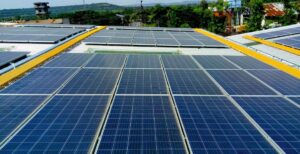

With rising electricity costs and growing awareness of clean energy, more homeowners are turning to solar power. Installing solar panels is not just an eco-friendly decision—it’s also a smart long-term investment. However, choosing the best residential solar panels for your home can feel overwhelming with so many options available. From panel types to efficiency and installation factors, this guide will help you make the right choice with confidence.
1. Understand Your Home’s Energy Needs
Before selecting solar panels, start by evaluating your household’s electricity consumption. Review your past 6–12 months of electricity bills to understand your average usage in kilowatt-hours (kWh).
Key questions to ask:
-
How much power does your home consume daily or monthly?
-
Do you plan to add high-energy appliances in the future?
-
Are you aiming for partial or complete energy independence?
Knowing your energy needs helps determine the size of the solar system and plays a major role in choosing the best residential solar panels for your home.
2. Choose the Right Type of Solar Panels
Residential solar panels mainly come in three types:
Monocrystalline Solar Panels
These are the most efficient and durable panels available today. They perform well even in limited roof space and low-light conditions. Although slightly expensive, they are often considered the best residential solar panels for urban homes.
Polycrystalline Solar Panels
More affordable than monocrystalline panels, these are suitable for homes with ample roof space. They offer decent efficiency and are a popular choice for budget-conscious homeowners.
Thin-Film Solar Panels
Lightweight and flexible, thin-film panels are less efficient and generally used where aesthetics or special installations matter more than output.
3. Check Solar Panel Efficiency and Performance
Efficiency determines how much sunlight a panel can convert into electricity. Higher efficiency panels generate more power using less space, making them ideal for residential rooftops.
When comparing panels:
-
Look for efficiency ratings between 18% and 22%
-
Check temperature coefficient (lower is better for hot climates)
-
Review real-world performance data, not just lab numbers
High-efficiency panels may cost more upfront but deliver better long-term savings.
4. Evaluate Roof Space and Sunlight Availability
Your roof plays a critical role in solar performance. Consider:
-
Roof size and shape
-
Direction (south-facing roofs are ideal in India)
-
Shading from trees or nearby buildings
-
Roof material and structural strength
A professional site survey during solar system installation ensures optimal panel placement and maximum energy generation.
5. Focus on Quality, Warranty, and Certifications
Always choose panels from reputable manufacturers with strong warranties. Most high-quality solar panels come with:
-
25-year performance warranty
-
10–15 year product warranty
Check for certifications like IEC, MNRE approval, and BIS standards, which ensure safety and reliability.
6. Select a Reliable Solar Installation Partner
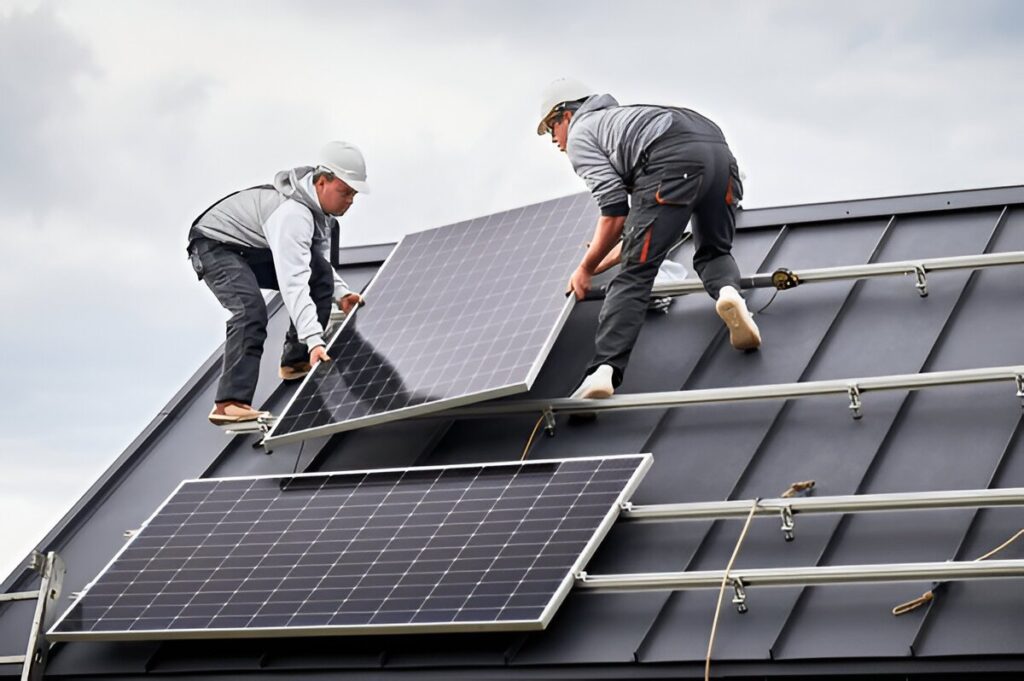
Even the best residential solar panels won’t perform well if the installation is poor. Choosing the right installer is just as important as selecting the panels.
A professional solar system installation provider will:
-
Conduct a proper site assessment
-
Design a customized system
-
Handle permits and net metering
-
Ensure safe wiring and mounting
-
Provide after-sales support and maintenance
Look for experienced installers with positive customer reviews and transparent pricing.
7. Consider Cost, Subsidies, and Long-Term Savings
The cost of residential solar depends on panel type, system size, inverter quality, and installation charges. While premium panels cost more initially, they often provide better returns over 20–25 years.
In India, government subsidies and net metering policies significantly reduce upfront costs and improve ROI. Over time, savings on electricity bills often outweigh the initial investment.
Conclusion
Choosing the right solar panels is about balancing efficiency, durability, cost, and expert installation. By understanding your energy needs, selecting high-quality panels, and partnering with a trusted solar system installation provider, you can confidently invest in the best residential solar panels for your home.
Solar energy is not just a trend—it’s a long-term solution for sustainable living and financial savings. Make an informed choice today and power your home with clean, renewable energy for decades to come.