
The urgency to reduce emissions and transition closer to sustainable practices has never been greater Climate change, increasing energy demand, and environmental degradation are forcing people and agencies to rethink how energy is produced and consumed. This is where the concept of zero carbon comes into play—a transformative technique that specializes in maintaining efficiency and exuberance while at the same time getting rid of carbon emissions.
What Does Zero Carbon Mean?
Zero carbon is to achieve a balance in which no carbon dioxide emissions are projected into the environment. This can be achieved through renewable energy sources, power performance enhancements and carbon offset work. For businesses, transforming into a zero carbon company is not always a lot of environmental duty—it is additionally a matter of future-proofing operations, reducing costs, and meeting the expectations of more environmentally conscious buyers.
The Rise of Zero Carbon Energy
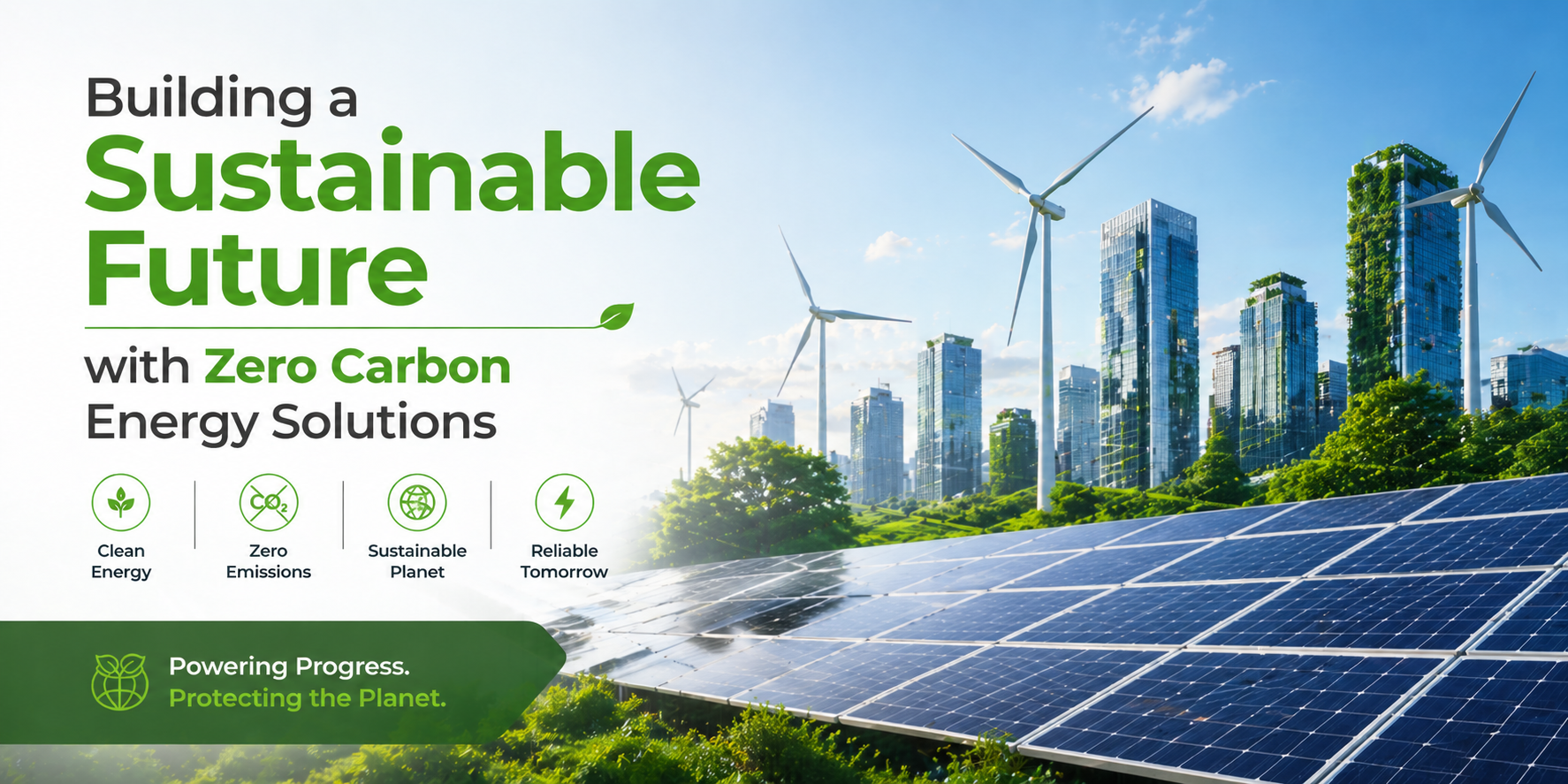
Conventional power systems rely heavily on fossil fuels, which are the primary individuals of greenhouse gasoline emissions. In contrast, zero carbon energy comes from renewable sources including sun, wind and hydropower. Among them, solar power has emerged as the most accessible and scalable solution for every residential and industrial use.
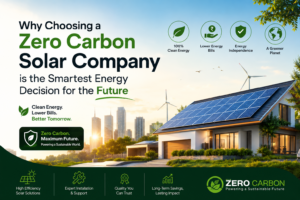
The Zero Carbon Solar Company is playing an important role in this transition through the presentation of innovative solar technologies and offerings that help reduce dependence on non-renewable energy. From rooftop sun panels to large-scale installations, those clusters allow for a cleaner, greener destiny.
Why Businesses Choose Zero Carbo
n Solutions
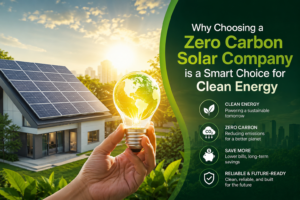
Adopting zero carbon energy solutions offers numerous blessings for corporations:
- Cost savings: Renewable energy systems, especially solar, substantially reduce energy payments over time.
- Energy independence: Businesses can generate their own power, reducing reliance on risky grid systems.
- Brand reputation: Complements the symbolic cost of being a zero carbon company and attracts environmentally conscious customers.
- Regulatory compliance: International governments are enforcing stricter environmental regulations, making early adoption beneficial.
- Long-term sustainability: Investing in clean power ensures resilience to future power crises.
Solar Energy: The Backbone of a Zero Carbon Strategy
Most zerocarbon strategies have solar power in the coronary heart. It’s abundant, renewable, and increasingly inexpensive. Modern solar systems are efficient, sustainable, and capable of powering homes, workplaces, and industrial facilities.
When trying to find solar services near me, it is essential to choose a company that provides answers to the eventual drop-off—from sessions to configuration to installation and maintenance. A reliable sun corporation ensures that your gadget operates at peak performance and provides maximum return on financing.
How Zero Carbon Solar Companies Add Value
The zero carbon solar company doesn’t just install solar panels—it offers a comprehensive view of electricity transformation. Here’s what you could expect.
- Energy Assessment: Understanding your state-of-the-art energy consumption and identifying growth opportunities.
- Customized Solutions: Designing solar structures to suit your exact needs and price range.
- Professional installation: Using the best products and ensuring a safe and efficient setup.
- Ongoing Support: A maintenance offer to preserve your system running smoothly for years.
- Smart Integration: Including an electric garage and clever monitoring structures for selected overall performance.
These proposals are important for everyone who seeks to successfully transition to zero carbon energy.
The Role of Technology in Zero Carbon Transition
The advancement of the era make zero carbon answers extra accessible than ever before. Smart grids, battery-garage infrastructure, and AI-powered power control tools are revolutionizing how electricity is used and optimized. These improvements allow companies to monitor power consumption in real time, reduce waste and maximize performance.
In addition, digital platforms such as Ask Zero Carbon. Supporting individuals and corporations explore sustainable options, connect with experts, and make informed choices about their strengths and desires.
Steps to Become a Zero Carbon Company
Even if the transition to a zero carbon model seems difficult, it can be achieved with a structured technique:
- Assess current emissions: Identify carbon emission assets within your operations.
- Reduce energy consumption: Power green practices and technologies implemented.
- Switch to renewable energy: Invest in the sun or other renewable electricity systems.
- Offset remaining emissions: Use carbon offset applications to stabilize unavoidable emissions.
- Inspect and improve: Consistently sing overall performance and optimize your power approach.
By following these steps, companies can successfully develop into a zero carbon company while still sharing in the long-term profits.
Why Now is the Right Time
The transition to zero carbon energy is no longer optional—it’s a necessity. With rising energy costs, environmental concerns and increasing regulatory stress, there has never been a greater time for sustainable practices. Solar generation is extra low-cost than ever before, and incentives from the authorities make it even easier to invest in clean energy answers.
Furthermore, consumer recognition develops. People actively support organizations that prioritize sustainability, making zero carbon initiatives a competitive advantage.
Conclusion
The adventure towards a sustainable destiny begins with conscious choice. By embracing zero carbon, adopting renewable energy, and partnering with a trusted zero carbon solar company, we can reshape how we power our lives and businesses. Whether you are trying to find solar services near me or looking for complete zero carbon force answers, switching to accessible energy is a step in the right direction.
By investing in zero carbon energy these days, you’re not being the most effective at reducing your environmental impact yet securing an additional efficient, cost-powerful and resilient future. The path to sustainability is clear—and now it begins off evolved.