Power Your Future with Wind Energy

At Zero Carbon, we believe the future of energy must be clean, resilient, and sustainable. Wind energy stands at the heart of this transition—offering businesses and communities a powerful way to generate electricity while protecting the planet.

Why Wind Energy Matters Today

Wind power is one of the fastest-growing renewable energy sources in India. It converts a natural, abundant resource into electricity without burning fuel, producing zero direct emissions. For organizations looking to control energy costs and meet sustainability goals, wind energy is no longer optional—it’s strategic.


Zero Carbon’s Wind Energy Solutions

At Zero Carbon, our wind energy solutions are designed end-to-end to ensure maximum performance and long-term value:

  • Custom Project Design – Site assessment, wind studies, and optimal turbine selection

  • Turnkey EPC Execution – Engineering, procurement, and construction managed by experts

  • Grid & Open Access Integration – Seamless connectivity for captive and commercial users

  • Operations & Maintenance – Reliable performance with continuous monitoring

Our approach ensures predictable energy output, high system efficiency, and minimal operational risk.


Key Benefits of Wind Power

  • 🌱 Reduced Carbon Footprint – Significant CO₂ emission reduction

  • 💰 Predictable Energy Costs – Protection against rising grid tariffs

  • 🏭 Energy Independence – Stable, long-term power supply for industries and communities

  • 📈 Sustainability Compliance – Supports ESG, CSR, and net-zero targets


Powering a Greener Tomorrow

Wind energy is more than just electricity—it’s a commitment to future generations. By investing in wind power, businesses can drive economic growth while safeguarding the environment.

At Zero Carbon, we partner with you to transform wind into a reliable energy asset—powering your operations today and protecting tomorrow.

🌬️💨 Let the wind work for you. Go renewable. Go Zero Carbon.

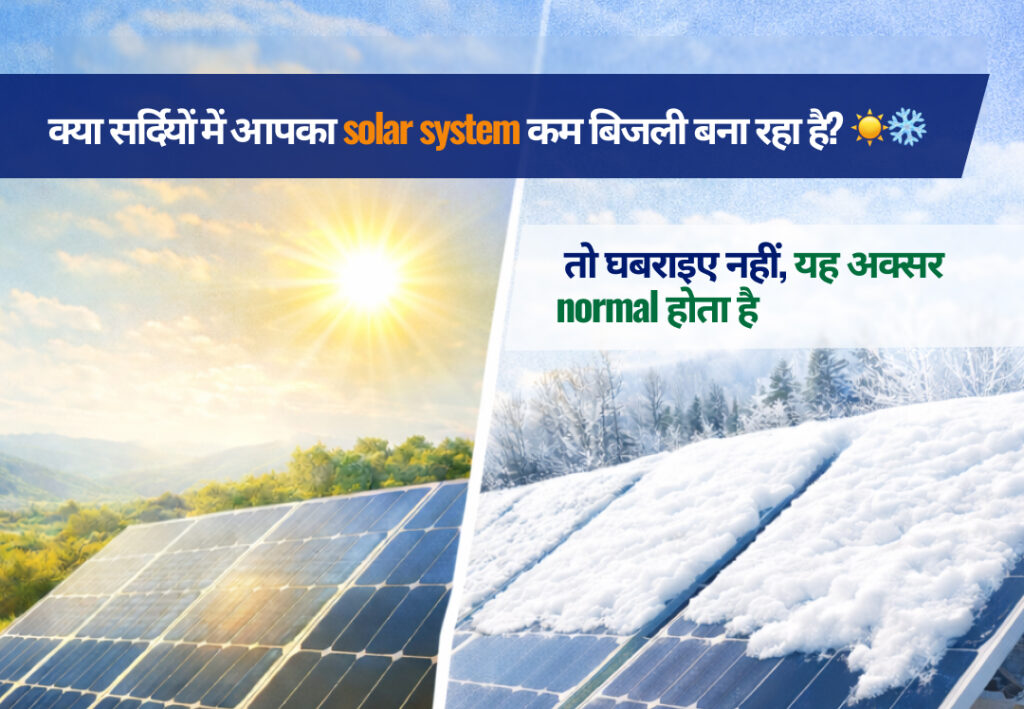
क्या सर्दियों में आपका solar system कम बिजली बना रहा है?

तो घबराइए नहीं, यह अक्सर normal होता है।

सर्दियों के मौसम में कई घरों और फैक्ट्रियों में एक सवाल बार-बार उठता है – “गर्मी में तो solar ठीक चला, लेकिन ठंड में generation अचानक कम क्यों हो गई?” खासकर उत्तर भारत में रहने वाले लोग यह बदलाव साफ महसूस करते हैं। कई बार लोग मान लेते हैं कि शायद panel खराब हो गया है या inverter में कोई दिक्कत है, जबकि असली वजह मौसम और वातावरण से जुड़ी होती है।

उत्तर भारत की सर्दियों में fog, cloud cover और pollution बहुत बढ़ जाता है। Solar panel बिजली तब बनाते हैं जब उन पर पर्याप्त सूर्य की रोशनी पड़े। सर्दियों में सूरज की किरणें कमजोर हो जाती हैं और धुंध या स्मॉग के कारण panel तक पूरी रोशनी पहुँच ही नहीं पाती। इसका सीधा असर solar generation पर पड़ता है।

आसान शब्दों में समझें तो solar panel रोशनी से काम करता है, सिर्फ गर्मी से नहीं। सर्दियों में दिन छोटे होते हैं, सूरज देर से निकलता है और जल्दी ढल जाता है। ऊपर से fog और बादल मिलकर सूर्य की intensity को और कम कर देते हैं। कई इलाकों में pollution इतना ज्यादा होता है कि हवा में मौजूद कण सूरज की किरणों को रोक लेते हैं। नतीजा यह होता है कि panel उतनी बिजली नहीं बना पाता, जितनी साफ और धूप वाले दिन में बनती है।

सर्दियों में solar generation कम होने के मुख्य कारण:

  • Fog और धुंध के कारण sunlight block होना
  • बादलों की वजह से direct solar radiation कम होना
  • Pollution और smog से light scattering बढ़ना
  • दिन की कुल धूप के घंटे कम हो जाना
  • सुबह-शाम low angle sunlight का असर

यहाँ एक आम गलती लोग करते हैं। वे सोचते हैं कि अगर generation कम है तो system में कोई fault है। कई बार बिना जाँच के inverter, DC cable या earthing पर शक कर लिया जाता है। जबकि सच्चाई यह है कि सर्दियों में 15–30% तक generation कम होना सामान्य बात हो सकती है, खासकर दिसंबर और जनवरी में।

इससे बचने के लिए कुछ सरल बातें ध्यान में रखें:

  • सर्दियों में panel की सफाई ज्यादा नियमित करें, क्योंकि धूल और pollution जल्दी जमता है
  • Daily और monthly generation को मौसम के हिसाब से compare करें, गर्मी से नहीं
  • किसी भी निष्कर्ष पर पहुँचने से पहले monitoring data देखें
  • Electrical connections जैसे MCB, AC/DC wiring और earthing की समय-समय पर जाँच करवाएँ

याद रखें, solar system मौसम के साथ behave करता है। जैसे बारिश में generation अलग होती है, वैसे ही सर्दियों में भी फर्क आना स्वाभाविक है। यह कोई खराबी नहीं, बल्कि प्रकृति का नियम है।

अंत में याद रखने योग्य बातें:

  • सर्दियों में कम generation होना सामान्य है
  •  Fog, cloud और pollution इसका बड़ा कारण हैं
  • Panel और inverter अक्सर सही ही होते हैं
  • सही समझ और नियमित maintenance सबसे जरूरी है

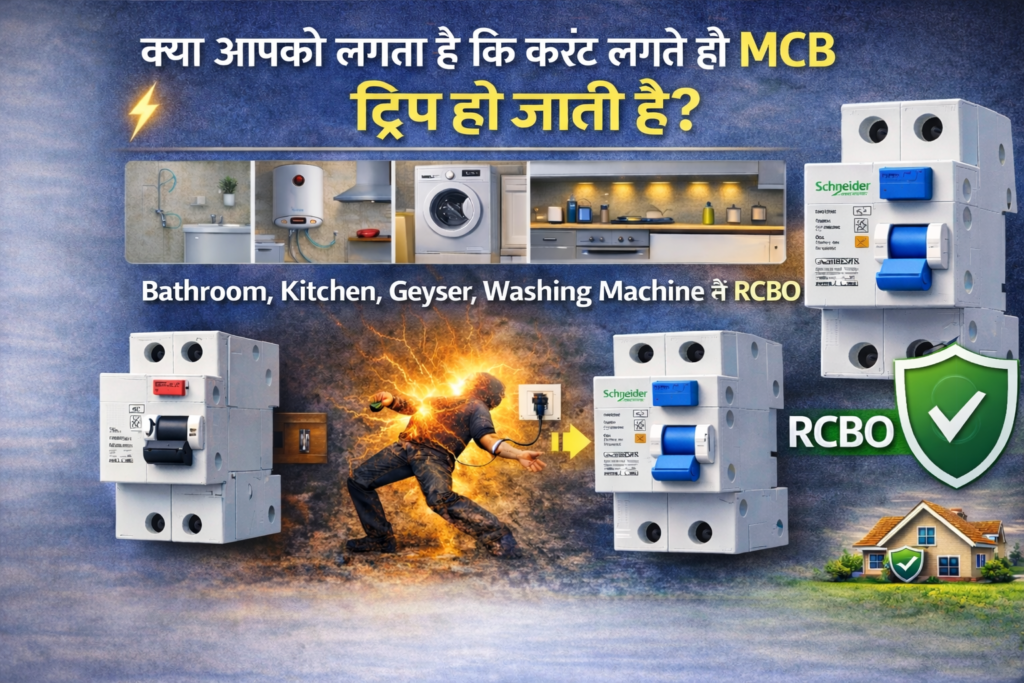
क्या आपको लगता है कि करंट लगते ही MCB ट्रिप हो जाती है? ⚡

क्या आपने कभी सोचा है कि घर में करंट लगने पर सबसे बड़ा खतरा तार या स्विच नहीं, बल्कि एक गलतफहमी होती है? अक्सर घरों में या साइट पर काम करते समय लोग निश्चिंत रहते हैं कि “करंट लगेगा तो MCB अपने आप ट्रिप हो जाएगी।” यही सोच कई बार बड़ी दुर्घटना का कारण बन जाती है। सच यह है कि MCB इंसान की जान बचाने के लिए नहीं बनी होती, बल्कि उसका काम कुछ और ही होता है।

सबसे पहले इस भ्रम को समझना ज़रूरी है। MCB का पूरा नाम Miniature Circuit Breaker है। इसका मुख्य काम wiring और appliances को overload और short circuit से बचाना है। अगर किसी लाइन में ज़्यादा लोड आ जाए या direct short circuit हो जाए, तभी MCB ट्रिप होती है। लेकिन अगर किसी इंसान के शरीर से करंट बह रहा है और लोड ज़्यादा नहीं है, तो MCB को इसका “अहसास” भी नहीं होता। यानी करंट लगता रहेगा और सप्लाई चालू रहेगी।

अब सवाल उठता है कि फिर इंसान को सुरक्षा कौन देता है? इसका जवाब है RCBO। RCBO एक advanced safety device है, जो MCB और RCCB दोनों का काम एक साथ करता है। जैसे ही किसी सर्किट में leakage current पैदा होता है और शरीर के ज़रिये सिर्फ 30 milliamp का भी करंट बहता है, RCBO लगभग 0.03 सेकंड में पूरी बिजली सप्लाई काट देता है। यही छोटा सा समय किसी की जान बचा सकता है।

RCBO क्यों ज़रूरी है, इसे आसान शब्दों में समझिए:

  • यह overload और short circuit से भी सुरक्षा देता है
  • यह electric shock से direct protection देता है
  • यह wet areas के लिए सबसे सुरक्षित option माना जाता है

इसीलिए bathroom, kitchen, geyser, washing machine, washing area जैसे गीले स्थानों में RCBO लगाना बहुत ज़रूरी है। यहाँ पानी और बिजली साथ होते हैं, जिससे leakage का खतरा कई गुना बढ़ जाता है।

खतरा तब पैदा होता है जब घर के main board में सिर्फ MCB लगी होती है और RCBO नहीं होता। ऐसे में अगर किसी को करंट लगता है, तो सप्लाई बंद नहीं होगी और हादसा बड़ा बन सकता है। कई बार लोग सोचते हैं कि earthing ठीक है तो सब सुरक्षित है, लेकिन earthing के बावजूद RCBO की ज़रूरत खत्म नहीं होती।

आम गलतियाँ जिनसे बचना चाहिए:

  • यह मान लेना कि MCB ही काफी है
  • Wet areas में normal MCB लगाना
  • RCBO की सही rating न चुनना
  • Installation untrained व्यक्ति से करवा लेना

अंत में याद रखने योग्य बातें:

  • MCB इंसान को shock से नहीं बचाती
  • RCBO इंसान की direct safety के लिए होता है
  • Wet areas में RCBO सबसे सुरक्षित option है
  • सही device + सही installation = असली सुरक्षा

₹7.16 Trillion Proves India’s Clean Energy Boom Is Real

  • Validate investor confidence in India’s renewable transition
  • Highlight massive funding shift toward solar and storage
  • Empower businesses to act while economics favour them
  • Accelerate net-zero ambitions with private participation

India’s clean energy journey has crossed a decisive financial threshold. Since FY 2021, the country has attracted ₹7.16 trillion in clean energy investments, with renewable energy funding alone touching ₹2.68 trillion in FY 2025. This is not speculative capital. This is long-term money backing long-term infrastructure, signaling that India’s renewable transition is now irreversible.

What’s driving this surge? Rising electricity tariffs, policy clarity, falling solar costs, and urgent demand from industry. For MSMEs, hospitals, banks, schools, and factories, grid power often costs ₹9–₹14 per unit, while diesel backup crosses ₹25 per unit. Clean energy, by contrast, is delivering predictable power at ₹3–₹5 per unit through rooftop solar and open access models. Capital is simply following logic.

The funding momentum also reflects confidence in execution. Solar parks, open access plants, wind corridors, and battery-backed projects are no longer ideas on paper. They are being built, connected to the grid, and contracted for decades. Investors see that India is not just installing capacity — it is building a resilient energy backbone capable of supporting manufacturing, healthcare, finance, education, and digital infrastructure at scale.

For enterprises, this investment wave creates a once-in-a-generation opportunity. Access to clean power is no longer limited by capital or complexity. Rooftop Solar allows businesses to monetise unused roofs. Open Access enables large consumers to lock low tariffs without owning assets. Wind–Solar Hybrid solutions ensure reliability even during peak demand or grid instability. The economics now work in favour of early movers who act before tariffs rise further.

At Zero Carbon (powered by DealGali), we see this transition daily across client sites. Our PAN-India teams deliver Rooftop Solar, Open Access Solar, and Wind–Solar Hybrid systems, backed by 25-year warranties and top-tier brands. But beyond technology, what drives us is a clear purpose: “Every roof powering India, zero carbon emissions.”

The ₹7.16 trillion figure is more than a headline. It is a message to Indian businesses: the capital is ready, the systems are proven, and the future belongs to those who switch early. Clean energy is no longer a sustainability decision alone — it is a profitability and resilience decision.

Switching is now easier than ever → contact us at visit askzerocarbon.com

Commercial Rooftop Solar EPC Services in Ahmedabad, Gujarat

Ahmedabad is rapidly emerging as a major hub for renewable energy adoption, with businesses increasingly shifting toward sustainable power solutions. Commercial Rooftop Solar EPC Services in Ahmedabad, Gujarat play a vital role in helping industries, offices, malls, hospitals, and warehouses reduce electricity costs while achieving sustainability goals.

With rising power tariffs and strong government support, investing in commercial solar panels has become a smart, future-ready decision for businesses looking to improve profitability and energy security.


What Are Commercial Rooftop Solar EPC Services?

EPC stands for Engineering, Procurement, and Construction. Commercial rooftop solar EPC services provide end-to-end solutions, covering:

  • System design and engineering

  • Procurement of high-quality solar components

  • Installation and commissioning

  • Testing, grid connectivity, and compliance

Professional Commercial Rooftop Solar EPC Services in Ahmedabad analyze rooftop structure, energy consumption patterns, and future expansion needs to design customized solar systems that maximize return on investment (ROI) while ensuring safety, performance, and long-term reliability.


Benefits of Commercial Solar Panels for Businesses

Installing commercial solar panels offers multiple long-term advantages:

  • Significant cost savings: Reduce electricity bills by up to 70% over the system’s lifetime

  • Attractive ROI: Most commercial solar projects achieve payback within 3–5 years

  • Low maintenance: Minimal upkeep with a long operational lifespan

  • Sustainability: Lower carbon footprint and meet ESG and CSR goals

  • Energy independence: Protection against fluctuating grid tariffs

Ahmedabad’s high solar irradiation ensures consistent and efficient power generation throughout the year, making rooftop solar an ideal investment.


Why Choose Commercial Rooftop Solar EPC Services in Ahmedabad?

Ahmedabad has a strong ecosystem of experienced EPC providers offering advanced and scalable solar solutions for commercial and industrial users. By choosing Commercial Rooftop Solar EPC Services in Ahmedabad, businesses benefit from:

  • Detailed site feasibility analysis and shadow study

  • High-efficiency commercial solar panels

  • Premium inverters and balance-of-system (BOS) components

  • Compliance with DISCOM and government regulations

  • Net metering assistance and subsidy guidance

  • Operation & Maintenance (O&M) services for long-term performance

These turnkey services ensure smooth project execution without disrupting day-to-day business operations.


Applications of Commercial Rooftop Solar Systems

Commercial rooftop solar systems are well-suited for:

  • Manufacturing units and factories

  • IT parks and corporate offices

  • Hospitals and educational institutions

  • Hotels, malls, and retail chains

  • Warehouses and logistics centers

By adopting commercial solar solutions, businesses not only lower energy costs but also strengthen their brand image as environmentally responsible organizations.


Government Support and Net Metering in Gujarat

Gujarat offers one of the most favorable solar policies in India, including net metering and supportive regulations for commercial rooftop installations. Excess power generated can be exported to the grid, further improving project economics.

Reliable Commercial Rooftop Solar EPC Services in Ahmedabad, Gujarat manage all approvals, documentation, and coordination with authorities, ensuring a hassle-free transition to solar energy.


Conclusion

Switching to solar is no longer just an option—it is a necessity for cost-conscious and sustainability-focused businesses. With expert Commercial Rooftop Solar EPC Services in Ahmedabad and high-quality commercial solar panels, organizations can secure long-term energy savings while contributing to a cleaner, greener future.

Now is the ideal time for businesses in Ahmedabad, Gujarat, to harness the power of the sun and stay ahead in a competitive market.

Commercial Solar Panels in Pune: Boost Your Business & Save

As energy costs continue to rise, many businesses in Pune are turning to solar power to reduce their electricity bills and improve sustainability. With over 300 sunny days a year, Pune is an ideal location to harness solar energy for your commercial establishment.

Why Choose Solar for Your Business in Pune

Solar panels for businesses in Pune provide an excellent return on investment. Installing a solar system can help you:

  • Reduce electricity bills by generating your own power
  • Lower carbon footprint and promote environmental sustainability
  • Increase energy independence, reducing reliance on the grid
  • Boost business image by adopting eco-friendly practices

How Solar Energy Benefits Your Business

A commercial solar system can generate significant energy savings for your business. By installing a rooftop solar panel system, your business can generate power during the day and use it for various operations. Excess power can be exported to the grid and credited back through net metering.

Example:
A 10 kW solar system could generate 1,200 to 1,500 units/month, potentially saving ₹12,000 to ₹18,000 on your monthly electricity bill.

Cost of Commercial Solar Panels in Pune

The cost of installing solar panels for your business will vary based on the system size and energy needs. Here’s a breakdown:

System Size Monthly Output Approx. Cost (INR) Monthly Savings Payback Period
5 kW 600–700 units ₹3 – ₹3.5 lakh ₹4,000 – ₹5,500 3–4 years
10 kW 1,200–1,500 units ₹6 – ₹7 lakh ₹12,000 – ₹15,000 3 years
20 kW 2,400–3,000 units ₹12 – ₹14 lakh ₹24,000 – ₹30,000 2–3 years

With government subsidies, the installation cost can be reduced by up to 40%, offering a faster return on investment.

Steps for Installing Commercial Solar Panels

  1. Site Assessment: An expert will evaluate your rooftop for space, sunlight exposure, and structural integrity.
  2. System Design: A customized solar system is designed to meet your business’s energy needs.
  3. Quotation and Documentation: A detailed proposal and required documents are provided, along with subsidy application.
  4. Installation: Solar panels, inverters, and other components are installed by professionals.
  5. Net Metering Setup: Net metering is set up with the electricity provider for energy credits.
  6. Monitoring: You can monitor your system’s performance via mobile apps or online dashboards.

Maintenance and Support

Solar systems require minimal maintenance. Regular cleaning of panels and occasional inspections ensure optimal performance. Most systems come with warranties ranging from 10 to 25 years, providing long-term peace of mind.

Final Thoughts

Adopting solar power for your business in Pune not only helps reduce operational costs but also positions your company as an environmentally responsible entity. With government incentives and low maintenance requirements, solar panels are a smart investment for your business.

Start your journey to sustainability today by switching to commercial solar power and enjoy long-term savings while contributing to a greener future.

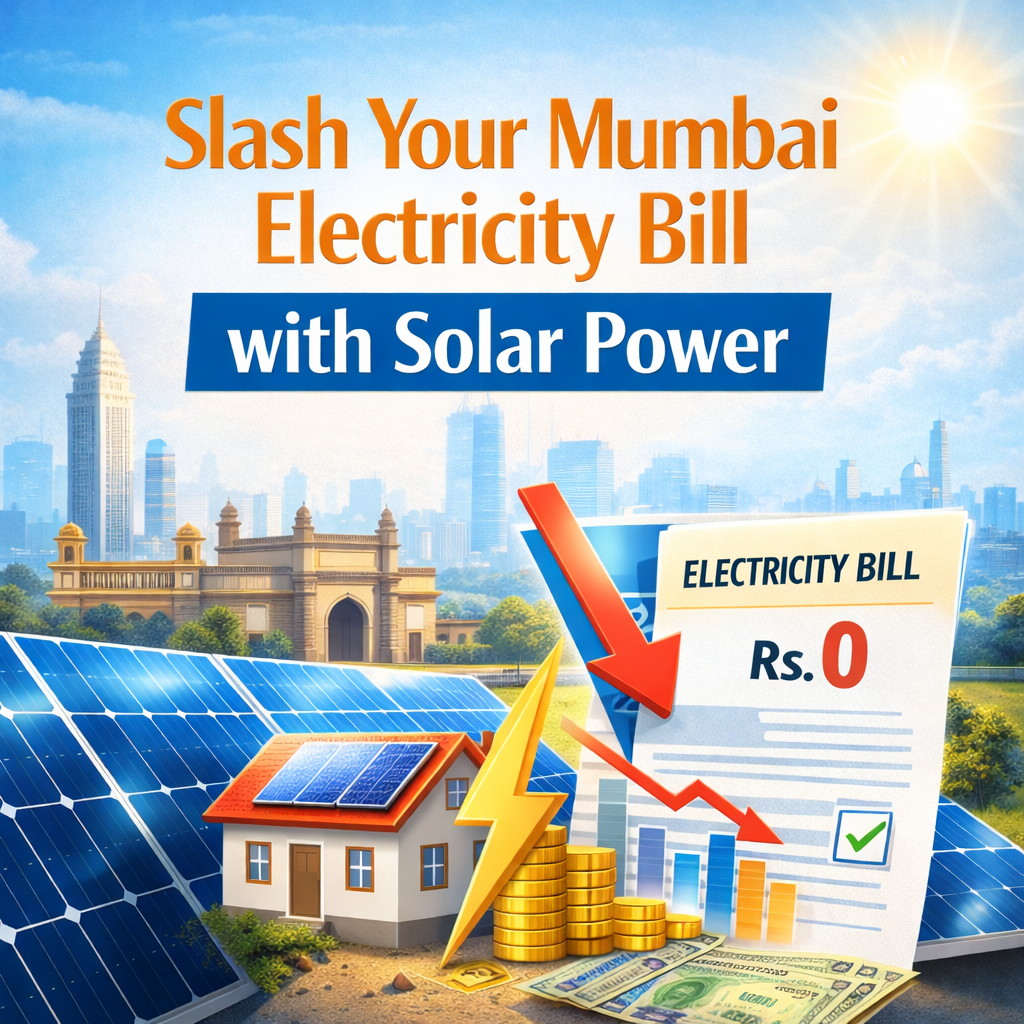
Slash Your Mumbai Electricity Bill with Solar Power

Electricity bills in Mumbai are rising, but solar power offers a smart and sustainable solution. With over 300 sunny days each year, the city is ideal for generating solar energy from your rooftop.

Why Solar Power Works in Mumbai

Mumbai’s consistent sunlight makes solar energy reliable and cost-effective. By installing a rooftop solar system, you can reduce your dependence on grid power and lower your monthly bills.

How Solar Saves You Money

A grid-connected solar system generates electricity during the day. It powers your home or business directly, and any extra electricity is sent back to the grid. With net metering, you earn credits for that extra power, reducing your overall bill.

Example:
A 3 kW solar system can generate 350–400 units per month, potentially saving ₹2,500 to ₹3,000 monthly.

Cost vs. Savings

System Size Monthly Output Approx. Cost (INR) Monthly Savings Payback Period
1 kW 100–120 units ₹70,000 – ₹90,000 ₹800 – ₹1,200 4–5 years
3 kW 350–400 units ₹2 – ₹2.5 lakh ₹2,500 – ₹3,000 3–4 years
5 kW 600–700 units ₹3.5 – ₹4 lakh ₹4,000 – ₹5,500 3 years

Note: Government subsidies can reduce your installation cost by up to 40%.

More Than Just Savings

  • Low maintenance (occasional cleaning and servicing)
  • Eco-friendly (reduces carbon footprint)
  • Increases property value
  • Energy independence

Final Thoughts

Switching to solar power in Mumbai is a smart investment. It cuts your electricity bills, helps the environment, and offers long-term value. Start your solar journey today and enjoy the benefits for years to come.

Mumbai Solar Panel Installation: A Step-by-Step Guide

Installing solar panels in Mumbai is one of the smartest ways to reduce your electricity bills and move toward a sustainable lifestyle. Whether you’re a homeowner, business owner, or part of a housing society, this guide will help you understand the complete installation process from start to finish.

Step 1: Evaluate Your Energy Needs

Before installing solar panels, determine your average monthly electricity consumption. This helps in selecting the right system size. For example:

  • 1 kW system supports around 100–120 units/month
  • 3 kW system supports around 350–400 units/month
  • 5 kW system supports around 600–700 units/month

Step 2: Assess Your Rooftop

Check if your rooftop:

  • Has enough space and proper structure
  • Gets sufficient direct sunlight (at least 5–6 hours daily)
  • Is free from tall trees, water tanks, or nearby shadows

A site visit by a solar expert can confirm your rooftop’s suitability.

Step 3: Choose the Right Solar System

There are mainly two types of systems:

  • Grid-tied system: Connected to the electricity grid, suitable for most homes and societies
  • Off-grid system: Includes batteries, ideal for power backup in remote areas

Choose based on your usage and whether you want backup during outages.

Step 4: Select a Certified Installer

Look for MNRE-approved or DISCOM-registered solar vendors in Mumbai. Reputed installers manage everything, including design, subsidy application, and installation.

Key brands and providers include:

  • Tata Power Solar
  • Waaree Energies
  • Loom Solar
  • HomeScape
  • Local government-approved vendors

Step 5: Get a Quote and Apply for Subsidy

After the site assessment, your installer will provide a detailed proposal including:

  • System design and components
  • Estimated generation and savings
  • Cost with and without subsidy

Residential solar systems in Mumbai are eligible for central government subsidies of up to 40% for systems up to 3 kW.

Step 6: Installation and Net MeteringOnce approved:

  • Installation usually takes 1–3 days
  • Panels, inverter, mounting structures, and wiring are set up
  • Net meter is installed by your electricity provider to track import/export of energy

Your installer usually handles the paperwork for net metering with MSEDCL or BEST.

Step 7: Monitoring and Maintenance

After installation:

  • Use mobile apps or web dashboards to track performance
  • Clean panels once every 2–3 weeks
  • Schedule annual check-ups for optimal performance

Panels typically come with 25-year performance warranties.

Conclusion

Switching to solar energy in Mumbai is simple and rewarding. With professional support, subsidies, and modern technology, the entire process can be completed smoothly within a few weeks. Start your solar journey today to enjoy long-term savings and a greener future.

Solar Panels for Home in Mumbai: Cost, Benefits, and Installation

With rising electricity costs and abundant sunlight throughout the year, installing solar panels at home in Mumbai is a practical and sustainable solution. Whether you live in an apartment or an independent house, solar energy can significantly reduce your electricity bills.

Why Choose Solar for Your Home in Mumbai

Mumbai receives over 300 sunny days annually, making it an ideal location for residential solar energy. Rooftop solar systems allow homeowners to generate clean electricity and become less dependent on the grid.

Cost of Home Solar Panels in Mumbai

The cost of installing solar panels depends on the system size, brand, and site conditions. Below are estimated costs:

System Size Monthly Units Suitable For Estimated Cost (INR) Subsidy Available
1 kW 120–140 units Small homes, 1BHK ₹70,000 – ₹90,000 Yes
3 kW 400–450 units Medium homes, 2–3BHK ₹2.1 – ₹2.5 lakh Yes
5 kW 600–700 units Larger homes, villas ₹3.5 – ₹4 lakh Yes

Subsidies from central and state governments can reduce the total cost by 20% to 40%.

Benefits of Residential Solar Installation

  • Reduces electricity bills significantly
  • Requires minimal maintenance
  • Reduces carbon footprint
  • Increases property value
  • Eligible for government subsidies

Installation Process

  1. Site survey to assess roof and sun exposure
  2. Custom system design based on energy needs
  3. Quotation, documentation, and subsidy application
  4. Installation and connection to the grid
  5. System activation and performance monitoring

Maintenance Tips

  • Clean panels every 2 to 3 weeks to ensure maximum efficiency
  • Keep panels free from shadows and obstructions
  • Schedule yearly maintenance checks

Most systems come with a 25-year performance warranty and up to 10 years of product warranty.

Conclusion

Installing solar panels at home in Mumbai is an affordable and eco-friendly way to lower your energy costs. With government incentives and professional installers available, now is the ideal time to make the switch to solar power.